Why Pickleball Is Great for Your Health: A Physiotherapist’s Perspective
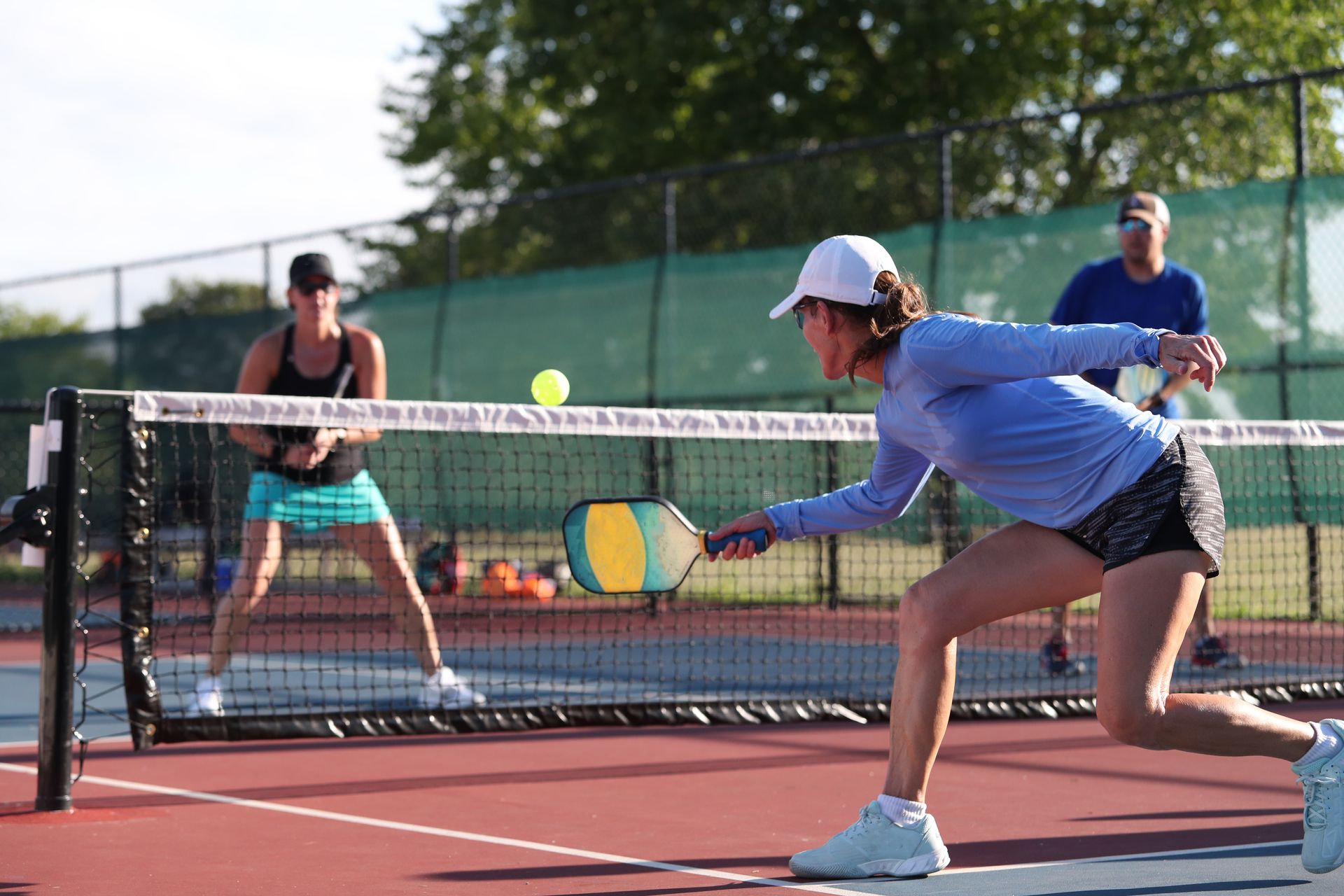
Pickleball has quickly become one of the fastest-growing sports across Canada and North America, and it’s easy to understand why. It’s social, easy to learn, and suitable for a wide range of ages and fitness levels. From a physiotherapy perspective, pickleball can be an excellent way to stay active, improve physical health, and support long-term mobility.
The Physical Benefits of Pickleball
Pickleball combines elements of tennis, badminton, and table tennis, requiring quick footwork, balance, coordination, and controlled upper body movements. Regular play can help improve:
- Cardiovascular fitness through continuous movement and rallies
- Lower body strength from squatting, lunging, and side stepping
- Core stability to support balance and rotational movements
- Upper body strength and coordination in the shoulders, arms, and wrists
- Reaction time and agility with quick directional changes
For many adults, it provides an enjoyable way to meet weekly exercise recommendations without feeling like a traditional workout.
Why It’s Great for Joint Health and Mobility
As physiotherapists, we often encourage movement as one of the best tools for maintaining healthy joints. Pickleball encourages regular movement in multiple planes, which helps support:
- hip and knee mobility
- ankle stability
- shoulder range of motion
- spinal rotation and trunk control
Because the court is smaller than a tennis court, it can be a more approachable option for people who want a racquet sport with less running.
Injury Prevention Tips
Although pickleball is generally low impact, injuries can still happen, especially if players are returning to sport after a period of inactivity.
Common issues we see include:
- shoulder strain
- tennis elbow / wrist irritation
- calf or Achilles tightness
- knee pain
- low back stiffness
A proper warm-up, strength training, and mobility work can significantly reduce injury risk.
Before playing, consider:
- 5–10 minutes of brisk walking
- dynamic leg swings and lunges
- shoulder mobility exercises
- calf and hamstring activation
How Physiotherapy Can Help
If you’re experiencing pain during or after pickleball, physiotherapy can help identify movement restrictions, muscle imbalances, or technique issues contributing to symptoms.
Treatment may include:
- manual therapy
- mobility work
- strength and conditioning
- balance training
- return-to-sport programming
- a personalized home exercise plan
The goal is not just to reduce pain, but to help you continue enjoying the sport safely and confidently.
Final Thoughts
Pickleball is more than just a trend — it’s a fantastic way to stay active, social, and healthy. Whether you’re new to the sport or playing several times a week, keeping your body strong and mobile can help you perform better and prevent injuries.
If pain is limiting your game, a physiotherapy assessment can help keep you on the court. Contact us or book an appointment today.